
Natya Shastra: A Timeless Influence on Modern Performance Arts
Over 2,000 years ago, Sage Bharata Muni penned the Natya Shastra, a Sanskrit treatise that laid the foundation for the performing arts in India. Far from being a relic of the past, this ancient text continues to shape how we sing, act, and dance today.
In a time when modern performance often intersects with technology and global influence, the Natya Shastra serves as a grounding reminder: the heart of performance is human expression.
Let’s explore how this ancient text continues to shape today’s performers—and how its foundational ideas are being carried forward.
What Is Natya Shastra? A Snapshot of the Ancient Text
Attributed to Sage Bharata Muni, the Natya Shastra is believed to have been written between 200 BCE and 200 CE. The text comprises 36 chapters covering everything from stage design and costuming to the deeper emotional principles behind performance.
Its core aim? To entertain, educate, and elevate. Through the concepts of Lokadharmi (realistic performance) and Natyadharmi (stylised performance), it presents performance as both an art and a tool for social insight.
Today, its ideas resonate far beyond Indian shores, taught in global universities and studied across disciplines like theatre, musicology, and cultural anthropology.
Timeless Foundations: Key Concepts That Still Resonate
The Natya Shastra introduces a set of principles that remain foundational in today’s artistic training:
- Rasa: The cornerstone of Indian aesthetics, Rasa refers to the emotional flavour a performance evokes in the audience, such as love, courage, or serenity.
- Bhava & Abhinaya: These relate to the performer’s inner emotion (bhava) and how it’s communicated (abhinaya) through expression, gesture, and voice.
- Tala & Laya: Essential for both music and dance, tala (rhythm cycle) and laya (tempo) cultivate structure and flow in performance.
These elements are not just classical relics, they’re embedded in how many modern performers train, rehearse, and interpret their art.
Natya Shastra’s Influence on Modern Dance
The influence of the Natya Shastra is perhaps most visible in classical Indian dance forms like Bharatanatyam, Kathak, and Odissi. Its guidance on body movements (karanas), storytelling, and aesthetic values can be traced directly into modern choreographies.
Contemporary choreographers often reinterpret these age-old concepts to create works that speak to today’s audiences across genres and geographies.
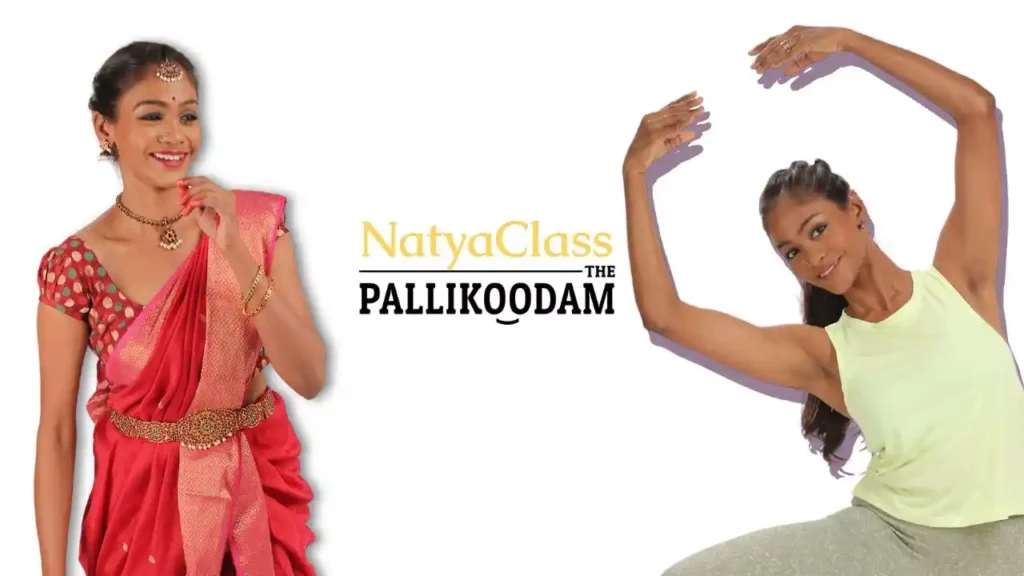
The Pallikoodam’s NatyaClass is a part of this ongoing legacy, offering training in movement fundamentals inspired by Natya Shastra, making ancient ideas accessible to anyone passionate about dance, regardless of their background or style.
Shaping Modern Acting Through Ancient Wisdom
Long before method acting became a trend, Natya Shastra detailed how to convey truth through performance. Its emphasis on:
- Abhinaya as a fourfold expression—Angika (body), Vachika (speech), Aharya (costume), and Sattvika (inner emotion)
- Rasa-Bhava interplay in emotionally intelligent storytelling
- The importance of discipline and control in performance
Today’s actors often unconsciously apply Rasa and Bhava in their performances. Its legacy lives on in method acting, physical theatre, and even improvisation.
The Pallikoodam’s ActingClass revisits these roots of performance. With guidance inspired by Natya Shastra, the course nurtures authenticity, expression, and emotional awareness, skills that translate across genres and media.

Echoes of Natya in Singing Traditions
While primarily a text on drama, Natya Shastra also laid a foundation for Indian music traditions:
- Raga and Rasa: Creating emotional landscapes through melody
- Tala: Rhythmic patterns central to Carnatic and Hindustani music
- Bhava: Emotion as the soul of vocal delivery
Playback singers, classical vocalists, and even indie artists often rely on these age-old principles, consciously or otherwise, to convey depth and feeling.
PaatuClass at The Pallikoodam explores the fundamentals of singing with a strong grounding in expression, pitch, and emotional intention, all aligned with Natya Shastra’s timeless framework.

Why It Still Matters: Lessons for Today’s Artists
Modern performers are constantly adapting, but some lessons don’t age. The Natya Shastra offers enduring guidance in:
- Emotional Intelligence: Rasa trains performers to connect with audiences deeply and sincerely.
- Discipline and Precision: Structured learning in rhythm, posture, and expression still forms the bedrock of good training.
- Cultural grounding: Rootedness that enriches global expression
- Storytelling clarity: Intent and message over spectacle
Tradition doesn’t restrict, it enriches. The past, when understood well, becomes a powerful tool for innovation.
Conclusion: Carrying the Torch Forward
The Natya Shastra is not just a chapter in a textbook, it’s a living dialogue between the past and the present. In every expressive glance, every note held with intent, and every movement that tells a story, its influence lives on.
As artists, we are not only interpreters of tradition, we’re also its keepers. Whether you’re finding your voice, learning a new mudra, or stepping into a character, the wisdom of Natya Shastra is there to guide you.
Rediscover it. Reinterpret it. And let it shape your art.


 Email
Email
 WhatsApp


