
Voicing Characters: Techniques for Aspiring Voice Actors
The magic behind iconic characters isn’t just in the script, it’s in the voice that breathes life into them. From animated films to dubbed TV shows, the right voice performance can make a character unforgettable.
For aspiring voice actors, especially those eyeing a future in dubbing, mastering character voicing is crucial. This post breaks down essential voice acting techniques that help voice actors bring characters to life.
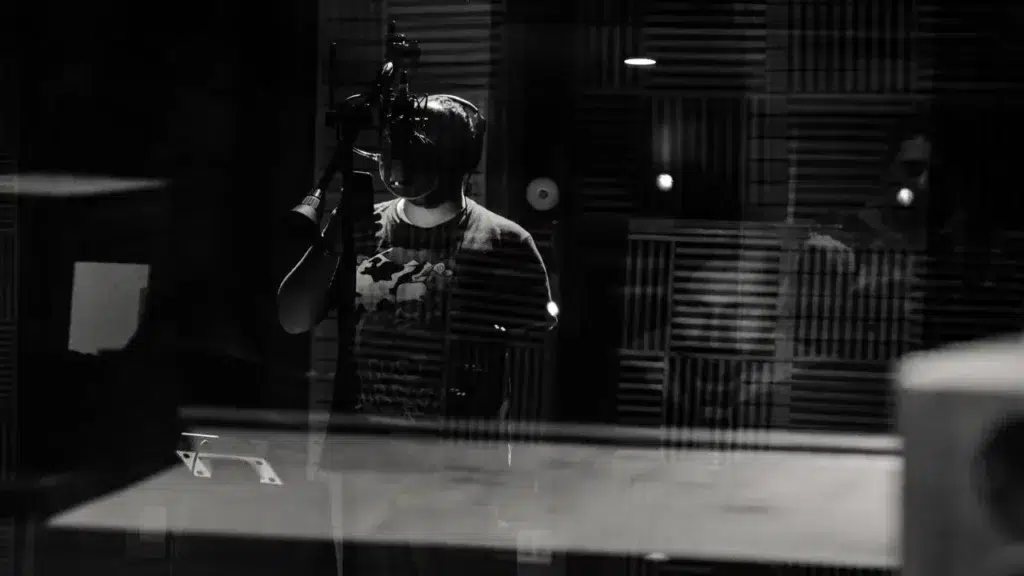
Understanding the Role of Voice Actors in Character Building
Voice acting isn’t just reading lines, it’s embodying a character using only your voice. In dubbing, this challenge intensifies. You must match lip movements, retain the scene’s rhythm, and still make it feel authentic.
Here’s why voice acting is more than “just talking”:
- Precision: Every word must land in sync with the visuals.
- Emotional Range: You’re expected to convey depth without facial expressions.
- Timing: Your voice must match the beat of each scene, second by second.
At ActingClass, we explore characterisation beyond surface-level traits. You’ll learn how to dig into a character’s world and build vocal identities that feel lived-in and real.

Technique #1: Finding the Character’s Voice
Every character has a story, and it’s the voice actor’s job to find it.
The process starts with script analysis. Who is this character? What’s their backstory? What’s driving them emotionally in this scene? In ActingClass, you’ll learn how to dig into these layers to build a foundation for your performance.
Technique #2: Mastering Vocal Expression and Emotion
Without facial expressions or physical gestures, voice actors rely solely on vocal cues to express emotion. The right pause, breath, or inflexion can convey joy, fear, or frustration more effectively than words.
Training in vocal expression helps aspiring voice actors gain emotional range.
Technique #3: Dubbing Sync and Lip Match Precision
Dubbing is not just voice acting, it’s precision performance.
Matching lip movements, timing, and emotion to a pre-recorded visual demands technical discipline. Even a slight mismatch can distract the audience. This means learning to break down scenes frame by frame, perfect pauses, and use filler sounds like gasps or sighs in just the right place.
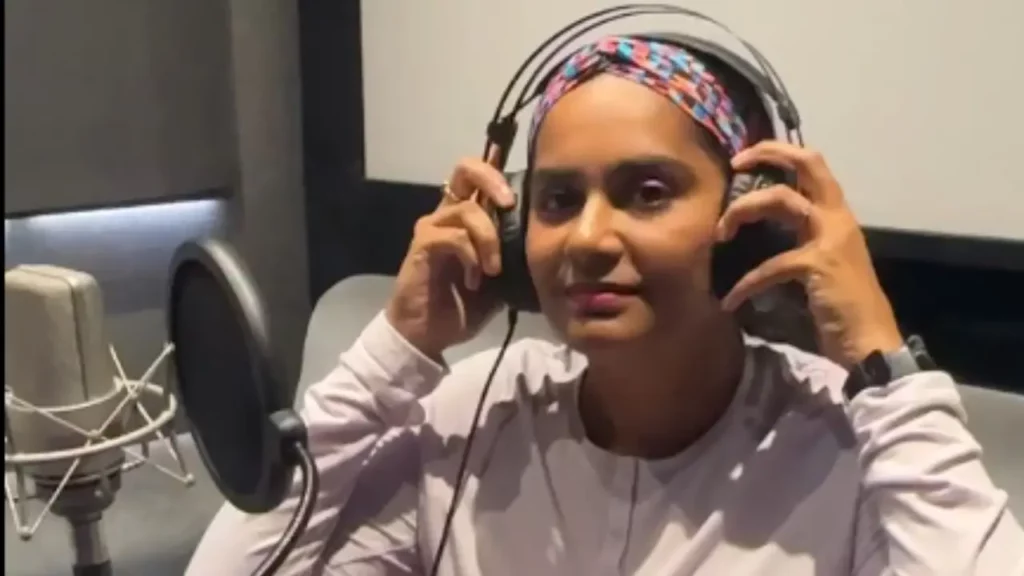
Technique #4: Voice Control and Vocal Health
Strong performances require strong vocal stamina. Without proper technique, it’s easy to strain your voice, especially when voicing loud or emotionally intense characters.
Breath control and warm-ups are crucial. This is where The Pallikoodam’s PaatuClass proves helpful. Though rooted in music, the lessons offer vocal training that voice actors can adapt, teaching breathing techniques, vocal projection, and daily practises to preserve vocal health.
Technique #5: Developing a Range of Character Voices
Versatility is the hallmark of a great voice actor. Whether you’re voicing a villain, a child, or a wise elder, being able to shift age, gender, or accent without losing authenticity is key.
Start by building a character voice bank. Play with vocal traits, record and label them, and revisit often. Focus not just on changing the pitch but also on rhythm, energy, and emotional undertone. It’s less about “doing voices” and more about becoming voices.
Common Mistakes Aspiring Voice Actors Should Avoid
Even passionate beginners fall into common traps:
- Overacting: Forcing drama can sound unnatural and pull listeners out of the story.
- Ignoring emotional context: A line may seem simple, but without understanding the moment, the delivery will fall flat.
- Skipping playback: Reviewing your own takes is one of the fastest ways to improve. You’ll hear habits you never noticed live.
Avoiding these mistakes early on can fast-track your progress.
Bringing a character to life through voice is both an art and a discipline. It demands empathy, technique, and hours of practise.
If you’re serious about building your voice acting skills, ActingClass is a great place to begin. You’ll learn how to analyse, perform, and refine your character work from the ground up.
Because when the voice is right, the character lives


 Email
Email
 WhatsApp


